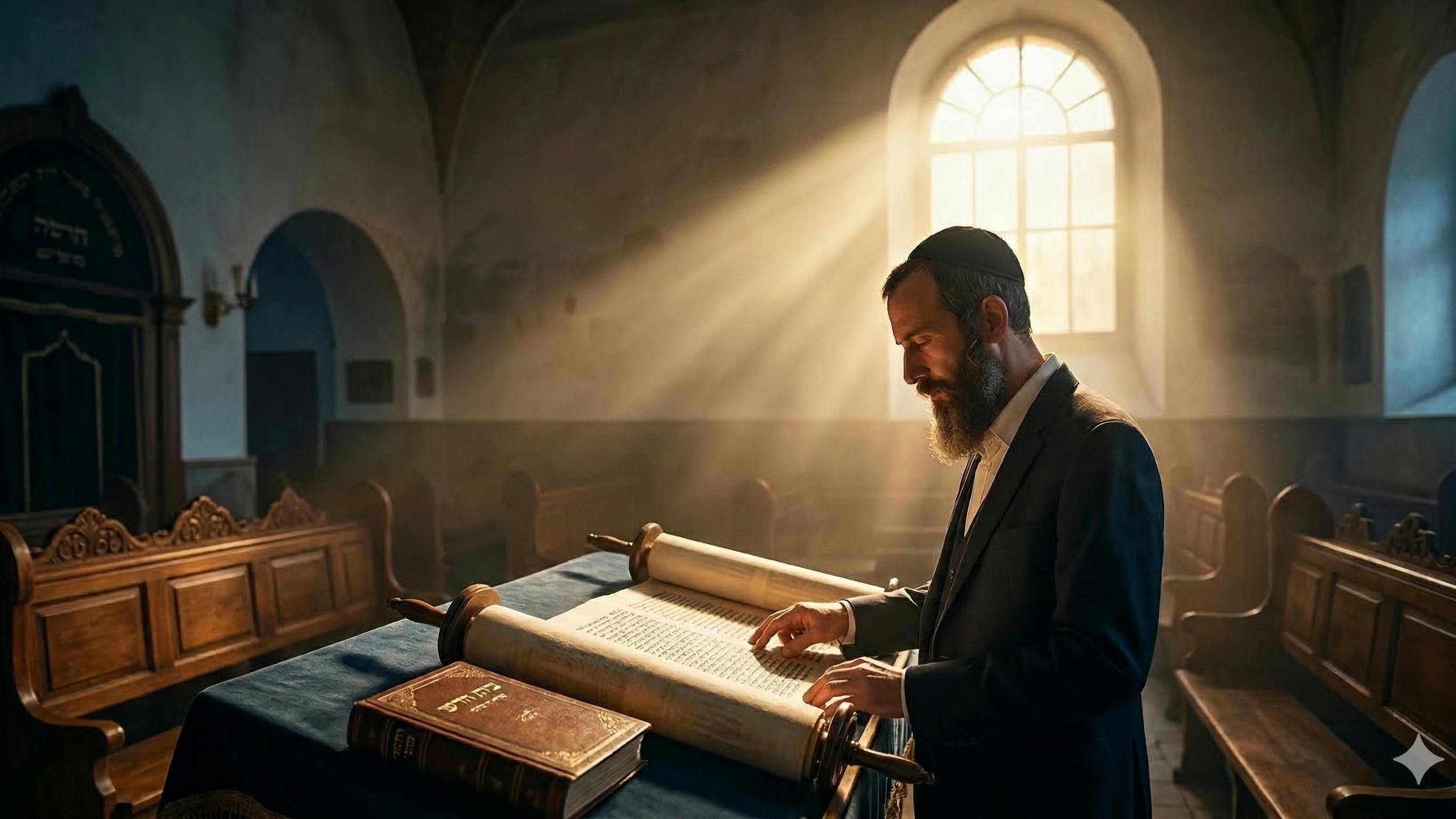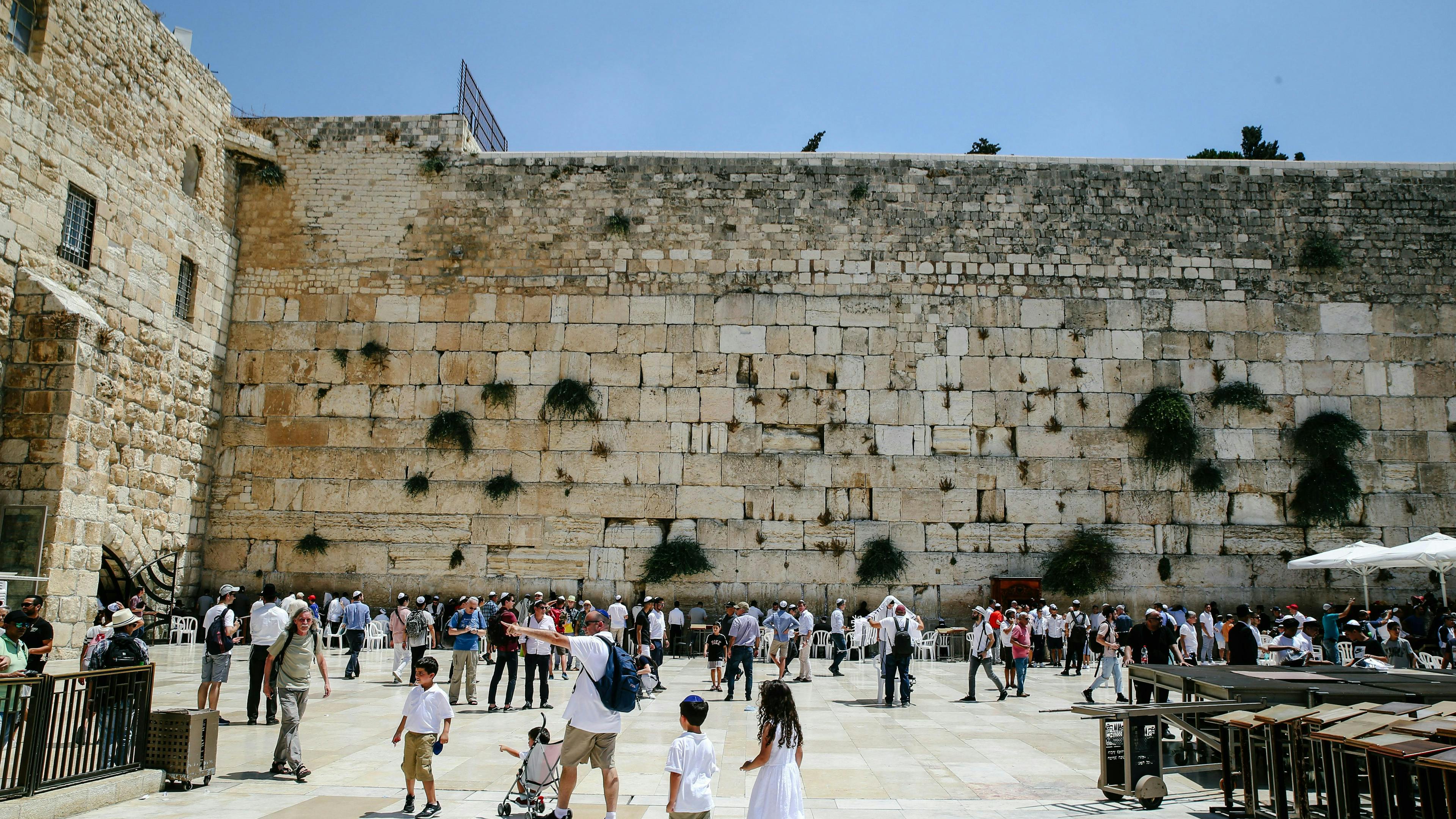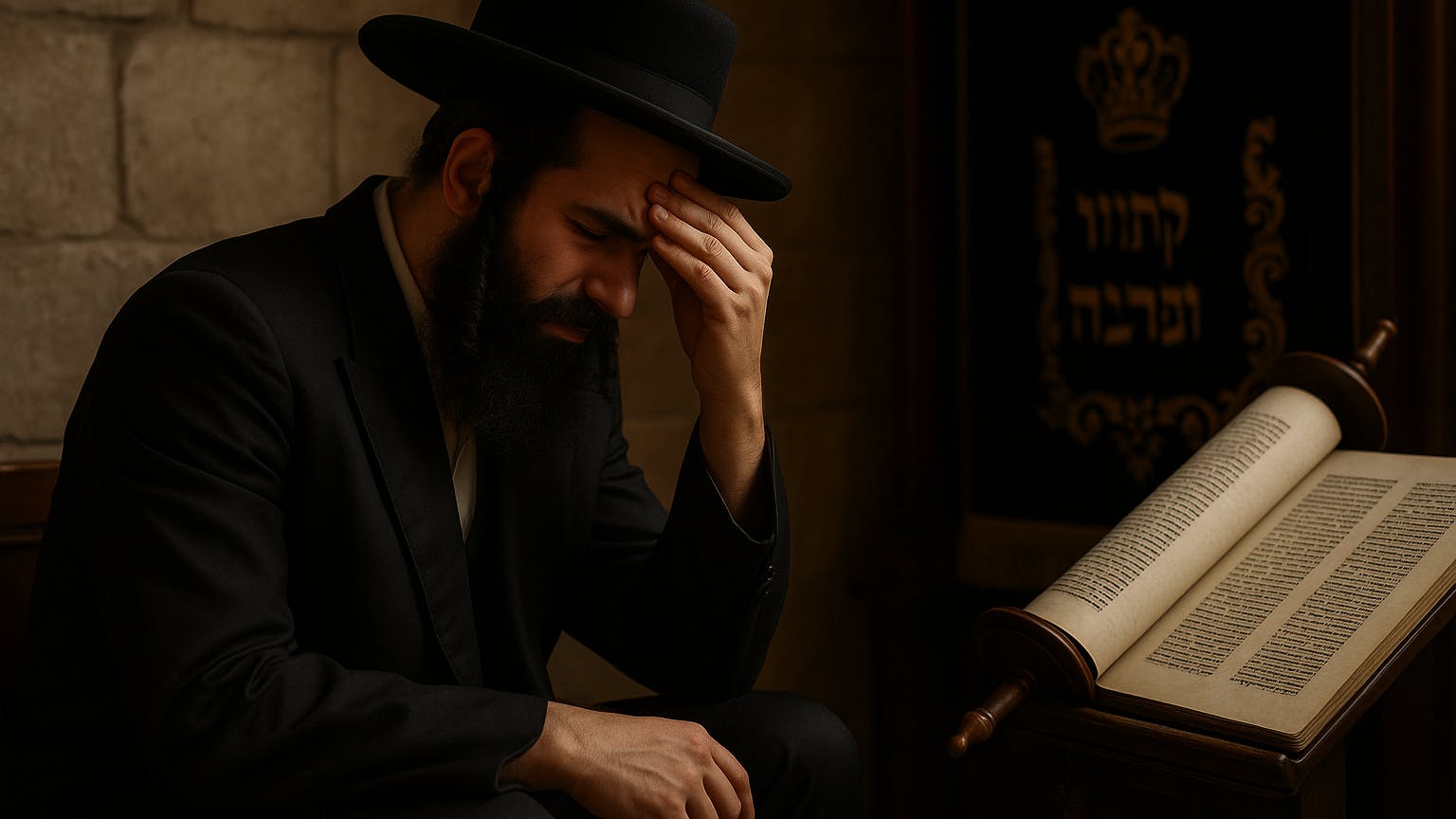
Yet we must ask ourselves: what is the nature of these hopes? Though every rescued hostage brings joy to those who love them, the reality remains that each person will eventually face death—not only every Israeli, but indeed everyone on earth. Is there a hope that extends beyond death itself?
The Jewish Hope: Resurrection of the Dead
This doctrine of hope has been maintained by Judaism, as expressed in Maimonides' thirteen principles of faith, the thirteenth being hope in the resurrection of the dead. The Pirqei Avot declares (4:22):
Pirqei Avot (4:22)
"Those who are born are destined to die, and those who died are destined to live."

However, it is crucial to understand that only those who are accepted by God will live again. What is the nature of the hope that extends beyond death itself?
Job's Testimony: A Hope That Conquers Death
There was certainly hope for Job. In the midst of his terrible sufferings, this righteous man declared with conviction: “For I know that my redeemer liveth, and that he shall stand at the latter day upon the earth: And though after my skin worms destroy this body, yet in my flesh shall I see God: Whom I shall see for myself, and mine eyes shall behold, and not another; though my reins be consumed within me.” Job looked beyond his present trials to the day after his death when he would live again. This is not temporary hope, but eternal hope: a hope that transcends the grave itself.
Abraham's Faith: Believing in Resurrection
Abraham, the father of God's covenant people and His chosen nation, walked by this same resurrection hope. When God instructed him to sacrifice his son Isaac, Abraham reasoned that God could raise his dead son bodily to life because he believed in the resurrection, and Scripture commends him for this faith.
When Abraham purchased the cave in the field of Machpelah as a burial site for his family (Genesis 49:29-30), he did so in anticipation of the last day, when his body would be raised to life. This hope of resurrection means that not even death itself can cause despair for all those who truly trust in God.
As the prophet Isaiah puts it:
Isaiah 25:8
“He will swallow up death in victory; and the Lord God will wipe away tears from off all faces; and the rebuke of his people shall he take away from off all the earth: for the Lord hath spoken it"
The Universal Problem: Human Sinfulness
As we observed before, only those who are accepted by God will live again. Here we encounter the fundamental problem facing every person: we cannot be accepted by God in our natural condition, for we are all born sinners. Scripture is clear on this point. We read in 1 Kings 8:46: "there is no man that sinneth not." The prophet Habakkuk reveals that God is "of purer eyes than to behold evil, and canst not look on iniquity" (Habakkuk 1:13).
Because all people are sinful, God cannot look upon us in our natural state and be pleased. David understood this reality: "And enter not into judgment with thy servant: for in thy sight shall no man living be justified" (Psalm 143:2).
The Divine Solution: Justification by FaithThe Divine Solution: Justification by Faith
How then can a person be justified before God? David points to the answer:
Psalm 32:1-2
"Blessed is he whose transgression is forgiven, whose sin is covered. Blessed is the man unto whom the Lord imputeth not iniquity, and in whose spirit there is no guile"
And how is a person made just? By faith. As Habakkuk tells us: "the just shall live by his faith" (Habakkuk 2:4).
It is not just faith in anything at all, but rather faith specifically in the Messiah, of whom we read in Isaiah 53: "He shall see of the travail of his soul, and shall be satisfied: by his knowledge shall my righteous servant justify many; for he shall bear their iniquities" (Isaiah 53:11).
The Prophecy of the Third Day
One of the brightest passages in all of Scripture is Hosea 6:2-3, where we read: "After two days will he revive us: in the third day he will raise us up, and we shall live in his sight. Then shall we know, if we follow on to know the Lord: his going forth is prepared as the morning; and he shall come unto us as the rain, as the latter and former rain unto the earth."
While this speaks of God's faithfulness to restore His people after suffering, it most clearly points prophetically to the resurrection of Jesus Christ, whom God raised up on the third day to live again. All those who believe in Him will live with Him forever.
The Divine Messiah: King and Priest Forever
This Messiah is described in Psalm 110 as divine Himself, destined to be a king and priest forever like Melchizedek. Jesus Christ is not only King of Israel, but also our High Priest, sacrificing Himself for our sins once and for all.
Yet this same Messiah will destroy all His enemies:
Psalm 110:5-6
"The Lord at thy right hand shall strike through kings in the day of his wrath. He shall judge among the heathen, he shall fill the places with the dead bodies; he shall wound the heads over many countries"
The Choice Before Us: Trust in Messiah Alone
If we continue in sin and unbelief, we remain enemies of God. No natural birth—whether Jewish or Israeli or of any other heritage—can save you from judgment. Physical descent alone provides no refuge from divine wrath.
But if you place your trust in Jesus Christ, who was prophesied throughout the Hebrew Scriptures, you will have a true and lasting hope in Israel's God and Savior, Christ Jesus the Lord. This hope is secure and eternal. It does not rest on human strength or ethnic identity, but on the faithful promises of the living God.
In these days of uncertainty, when earthly hopes often prove fleeting, there remains one hope that endures: faith in the promised Messiah. Place your trust in Him, and you will possess not only hope for this life, but hope for the life to come—eternal life in the presence of the King of kings and Lord of lords.
More Topics
You might alsoo be interested in these topics.